

Republicans lost control of both chambers of Congress in the November 3 midterm elections, prompting party leaders and potential 2028 contenders to debate what drove the defeat. Democrats secured the House and Senate, though the final size of their Senate majority remained uncertain as some races were still unresolved, according to The Associated Press.
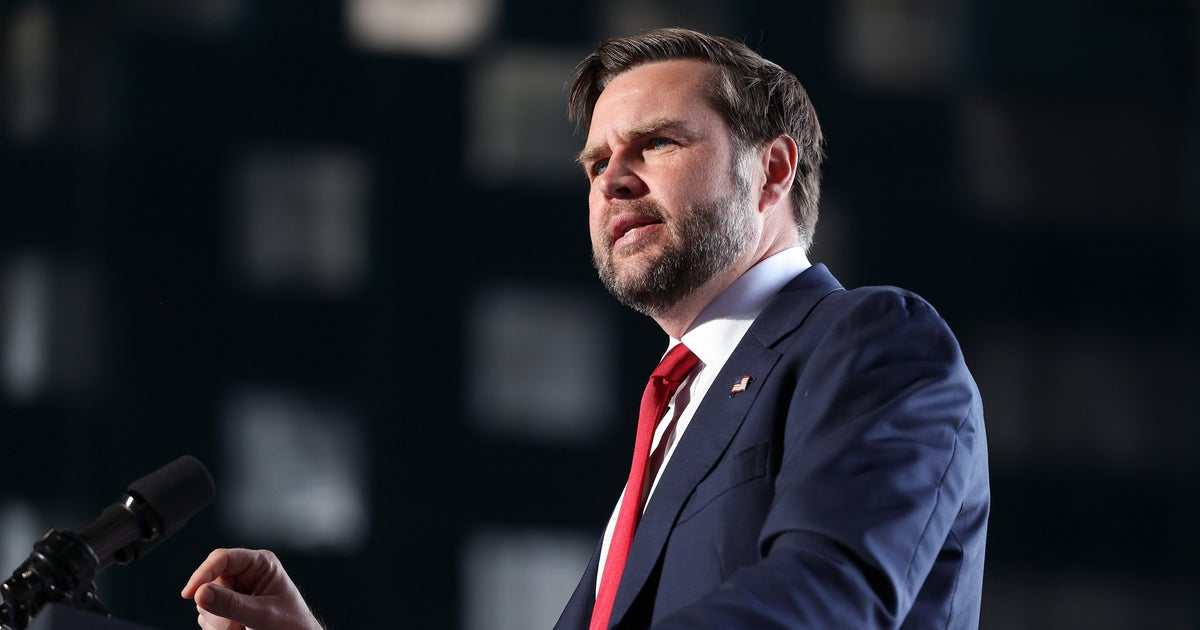
Vice President JD Vance pointed to the war in Iran as the central reason for the losses. President Donald Trump agreed that the conflict and higher energy prices had contributed, while saying he would make the same decision again.
Sen. Ted Cruz of Texas also criticized the war’s duration and said it should end. He linked voters’ frustration to rising prices, tariffs and a widening gap between wealthier Americans and those struggling to afford essentials.
Voters focused on affordability and trust
Cost of living was a major factor in voters’ decisions, according to CBS News exit polls. The AP’s voter-poll reporting also identified economic concerns as central to the Republican losses. Sen. John Cornyn, who lost his primary to Texas Attorney General Ken Paxton, said Trump had misread voters’ expectations on prices, trade and immigration.
Corruption was another concern: roughly nine in 10 voters nationally said it was a major factor in their vote, the source report said. Cornyn argued that Republicans would need to address misconduct within their own ranks to regain voters’ trust.
Some Republicans said the party had devoted too much attention to cultural issues. Florida Gov. Ron DeSantis criticized campaign spending on advertisements targeting Democrats over transgender issues, arguing that voters were more concerned about affordability. He described the result as a rejection of Republicans in Washington, including Congress, rather than simply a judgment of the president.
Former Vice President Mike Pence offered a different criticism of the Iran war, saying Republicans had lost support because the administration stopped short of defeating the threat posed by Iran’s government. The competing explanations point to an unsettled debate within the party over its next direction.