

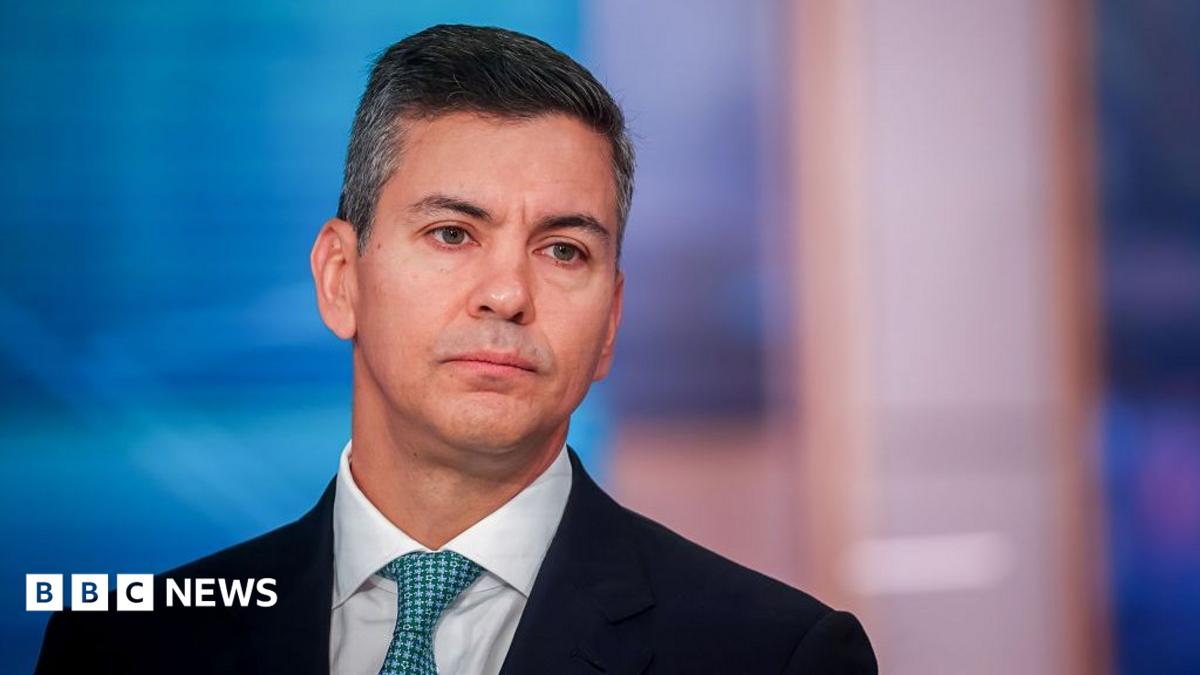
Paraguay’s Senate removed President Santiago Peña from office on Friday, Nov. 6, and he was placed under house arrest as the fallout from Ueno Bank’s collapse prompted an investigation into alleged misconduct. Vice-President Pedro Alliana was sworn in as interim president.
The impeachment vote passed with 44 senators in favor; one lawmaker was absent. Senate President Basilio Núñez said Peña had been found guilty of “dereliction of duty.” Peña had offered to resign a day earlier, but lawmakers proceeded with impeachment instead.
The move followed the failure of Ueno Bank, whose collapse left about three million depositors unable to access savings and pensions. Paraguay’s central bank began a resolution process for the bank on Nov. 2, according to an official central bank resolution.
Impeachment allegations included conflicts of interest, interference with regulatory oversight, diversion of pension funds and an alleged cover-up involving the central bank. Peña, who held shares in the company that owned Ueno Bank until last year, has denied wrongdoing.
Prosecutor Silvia Margarita Gonzalez Vester said Peña was due to be questioned on Saturday over allegations including breach of trust, influence peddling and misappropriation of funds. His lawyer, Ricardo Preda, called the accusations “reckless” and “irresponsible and opportunistic.” The allegations have not been established as proven facts.
Alliana said people affected by the financial collapse would be fully compensated. He is due to serve as president until 2028. The Senate’s removal of Peña and his subsequent house arrest were also reported by the Associated Press.
 Nicole French
 Reid Bentley