

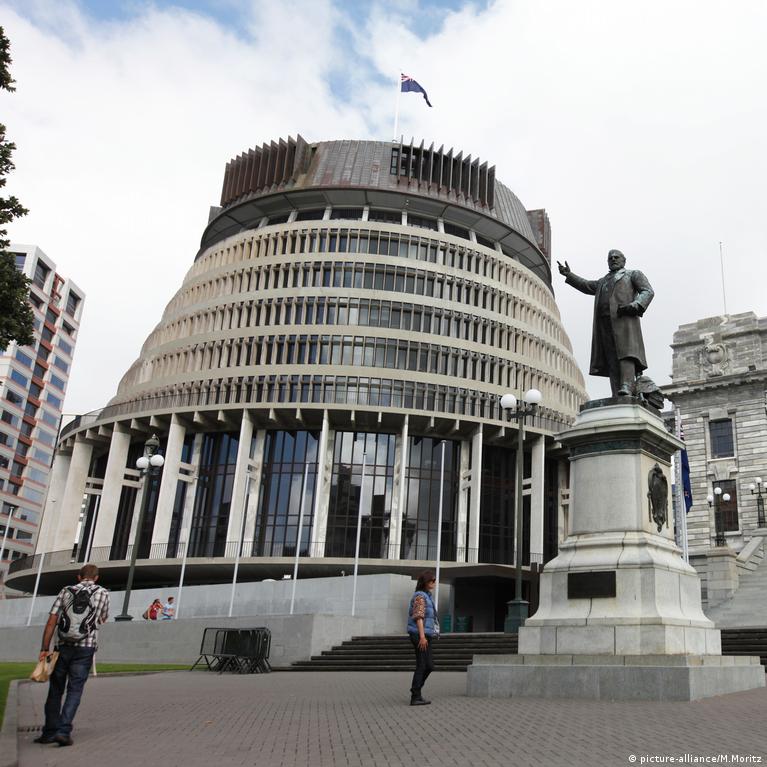
New Zealand’s general election voting ended on November 7, with preliminary figures placing the ruling National Party narrowly ahead of the opposition Labour Party. The early count put National on nearly 31% and Labour on almost 30%, according to figures reported shortly after polls closed by DW.
Polling stations were scheduled to operate from 9 a.m. to 7 p.m. local time. The Electoral Commission said advance voting began on October 26, and 1,666,908 ballots had been cast by the close of Thursday, November 5. Final results were expected on November 27, according to the Electoral Commission.
The contest featured Prime Minister Christopher Luxon, leader of the center-right National Party, and Labour leader Chris Hipkins. The preliminary figures left the two parties close, but did not settle which would lead the next government.
Cost of living a major election issue
Rising prices for everyday goods and broader economic concerns were central issues during the campaign. New Zealand’s mixed-member proportional voting system gives voters two choices: a party and a local electorate candidate. Electorate winners enter Parliament, while parties also receive seats based on their share of the nationwide party vote.
Parliament typically has 120 seats, with its final size potentially affected by the electoral system’s overhang provision. New Zealand law prohibits political campaigning on election day.
 Nicole French
 Reid Bentley