

A judge has been assigned to the case of Armenian opposition activist Artur Danielyan, who was detained in October over Facebook posts criticizing Prime Minister Nikol Pashinyan and the country’s security services. The update was reported on November 7 by Panorama, citing Danielyan’s lawyer.
Danielyan, who leads the opposition group Adekvad, was arrested on October 7 and placed in pretrial detention for two months, according to Panorama. Local reports cited by the outlet said the case involves allegations of vandalism using information and communication technologies and spreading defamatory information about an official.
One of the posts criticized Pashinyan’s position on a possible prisoner exchange involving an Azerbaijani soldier held in Armenia and detained Armenians in Azerbaijan. In an interview with Armenian outlet Infocom, Pashinyan had ruled out exchanging the soldier for Armenian detainees.
Rights groups raise concerns over prosecution
More than a dozen Armenian civil society organizations condemned Danielyan’s prosecution, describing it as politically motivated and disproportionate. They said the case could discourage public criticism. Those are the groups’ assessments; the court has not issued a ruling on the allegations.
The case comes amid other proceedings involving critics of the government. Ahead of Armenia’s June parliamentary elections, activist Artur Osipyan was arrested after a verbal clash with Pashinyan over Nagorno-Karabakh policy. Prosecutors charged him with disrupting public order, obstructing the ruling party’s campaign and inciting violence in a social media post.
A 2025 Freedom House report said nearly 95% of court cases under a 2020 criminal-code amendment on incitement to violence involved alleged threats against Pashinyan or his supporters. The report also said potentially prohibited statements by ruling-party members appeared not to receive the same scrutiny.
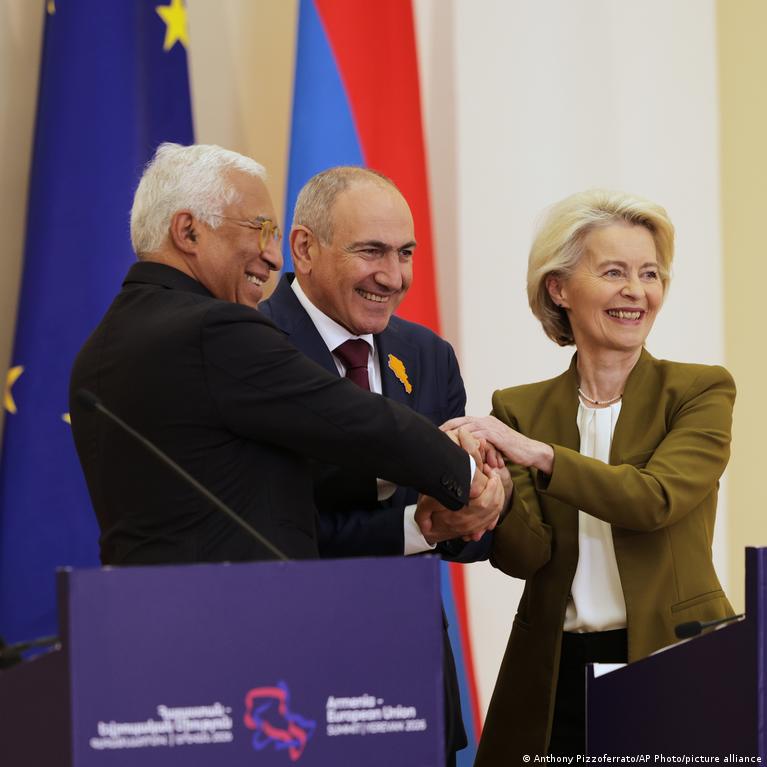
The European Union has said democracy, the rule of law and fundamental rights are central to its partnership with Armenia. In a response reported by DW, an EU spokesperson said criminal investigations should be conducted independently and impartially, without political considerations.
 Reid Bentley