

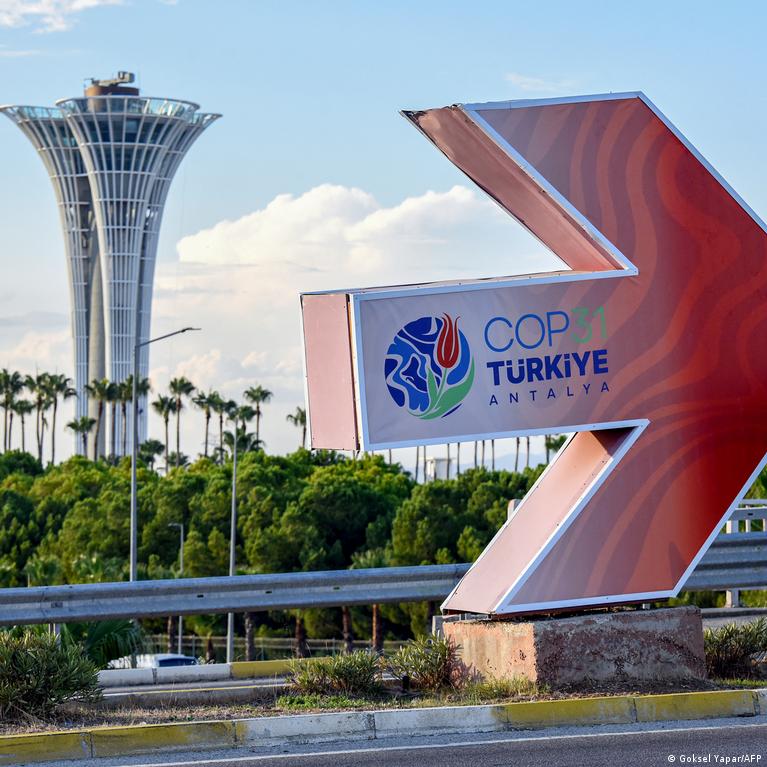
The UN climate summit COP31 is scheduled to open in Antalya on Nov. 9, with negotiations expected to focus on the transition away from fossil fuels, clean energy and support for countries facing climate damage. The conference runs through Nov. 20, with Türkiye hosting and Australia leading the negotiations, according to the UNFCCC.
The summit begins as global carbon emissions continue to rise. The United Nations has concluded that limiting warming to 1.5 degrees Celsius above pre-industrial levels is no longer achievable, while current national commitments, if fully implemented, point to a rise of up to 2.6 degrees, according to projections cited by DW.
Phasing down fossil fuels remains contentious. Countries have not reached consensus on whether or how to move rapidly away from coal, oil and gas. At recent climate conferences, oil-producing states have opposed final agreements containing phaseout plans, complicating efforts to turn broad pledges into shared commitments.
Electrification and climate finance on the agenda
Türkiye and Australia have identified green industrialization and clean energy as priorities. One stated aim is to raise electricity’s share of global energy consumption from about 20% today to 35% by 2035. A recent International Energy Agency analysis found faster electrification could reduce energy bills for fuel-importing countries by more than $400 billion by 2035 compared with 2025 levels.
German Environment Minister Carsten Schneider said Germany and the European Union wanted to build momentum for a global phaseout of fossil fuels, arguing that it could also help countries strengthen their economies and reduce reliance on energy imports.
Climate finance is another point of pressure. At the 2024 UN climate talks in Baku, industrialized countries agreed to provide at least $300 billion annually by 2035. The source report said Germany paid €4.7 billion from its 2025 budget for international climate financing, down from €6.1 billion in 2024. Oxfam Germany climate expert Jan Kowalzig said current support for developing countries falls far short of what is needed.
Climate diplomacy expert Cosima Cassel said a meaningful outcome in Antalya would require political commitments to be matched by practical steps, including expanding electricity grids and battery storage and removing barriers to electrification.
 Reid Bentley