

An EU-backed genomics project is working to assemble a reference database of at least 100,000 genomes, with the aim of better representing genetic diversity across Europe and supporting future medical research.
Genome of Europe brings together 49 partners in 27 countries. The project began in autumn 2024 and has a budget of about €45 million, including €20 million from the European Commission’s Digital Europe programme, according to the European Commission.
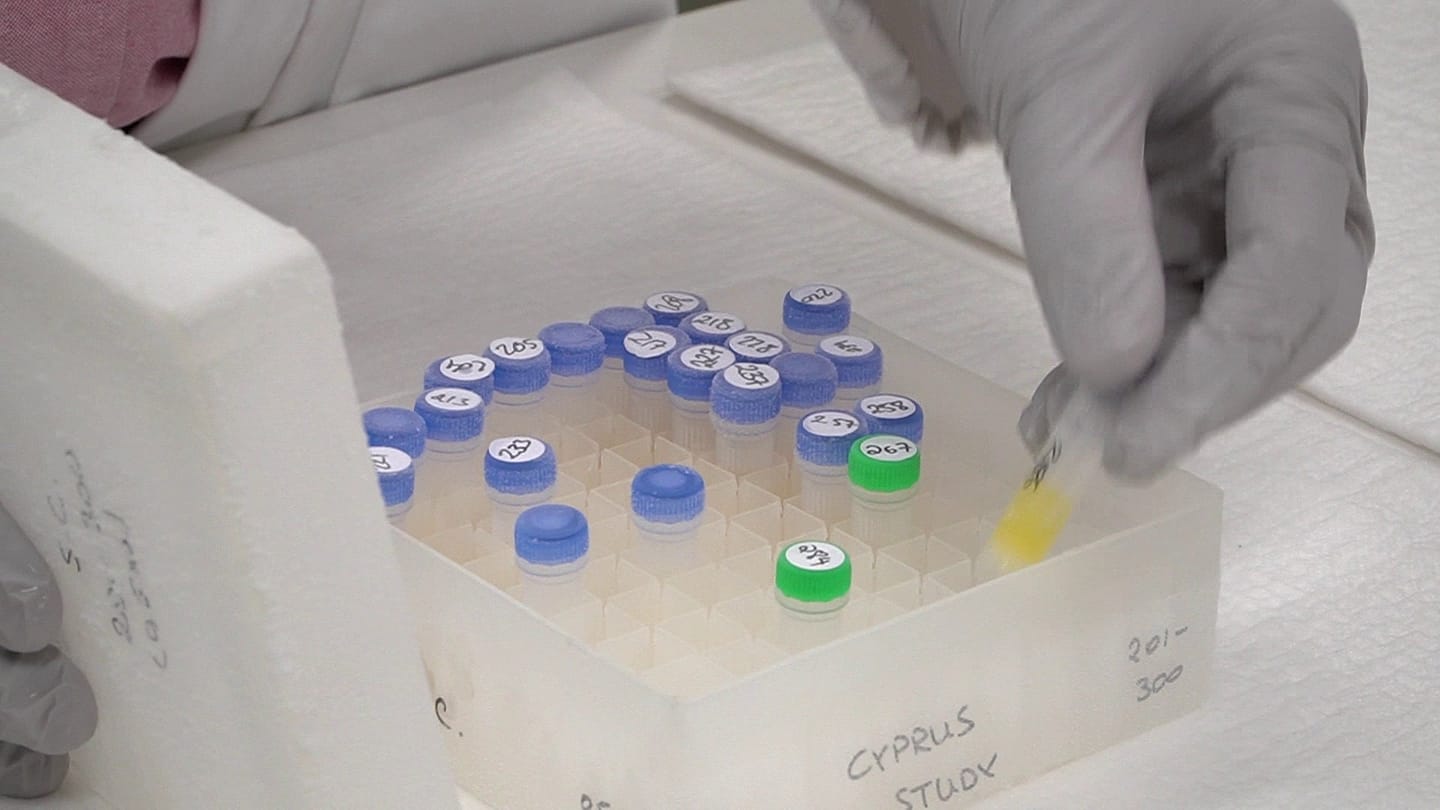
Cyprus is contributing through the University of Cyprus Centre of Excellence for Biobanking and Biomedical Research. The centre plans to sequence the entire genomes of at least 310 Cypriot volunteers for the shared reference base, Euronews reported.
Why population diversity matters
Small genetic differences can help researchers investigate inherited conditions, disease risks and how patients may respond to particular medicines. A reference database that reflects a wider range of populations can help scientists assess whether a genetic variant is common or rare among people with a similar background.
The Cypriot work builds on a national effort that began in 2019. Under the Cypriot Human Genome Project, more than 1,000 exomes from volunteers have already been analysed. An exome covers the protein-coding parts of genes, while whole-genome sequencing examines a much larger portion of DNA.
Researchers at the centre study conditions including hereditary kidney and heart diseases. The source report also describes work on preclinical models for rare kidney disorders, including Alport syndrome.
Genetic data require safeguards because they can reveal information about a participant and biological relatives. The Cyprus biobank says it operates with approval from the country’s National Bioethics Committee and under the EU’s General Data Protection Regulation. Volunteers receive information before providing samples, sign consent forms and can withdraw consent, the report said.
The European Genomic Data Infrastructure is being developed alongside the project to let researchers analyse data within the systems where they are held, rather than transferring files between countries. Personalised medicine is already used in some areas, including oncology, but treatments designed around each patient’s genetic profile remain a longer-term goal.
 Clayton Ward