

A Bahraini court sentenced 64 people to life in prison and five others to 15 years on November 16 in a case involving an alleged plot to overthrow the government with Iranian backing. The defendants were accused of forming a group linked to Iran’s Islamic Revolutionary Guard Corps (IRGC).
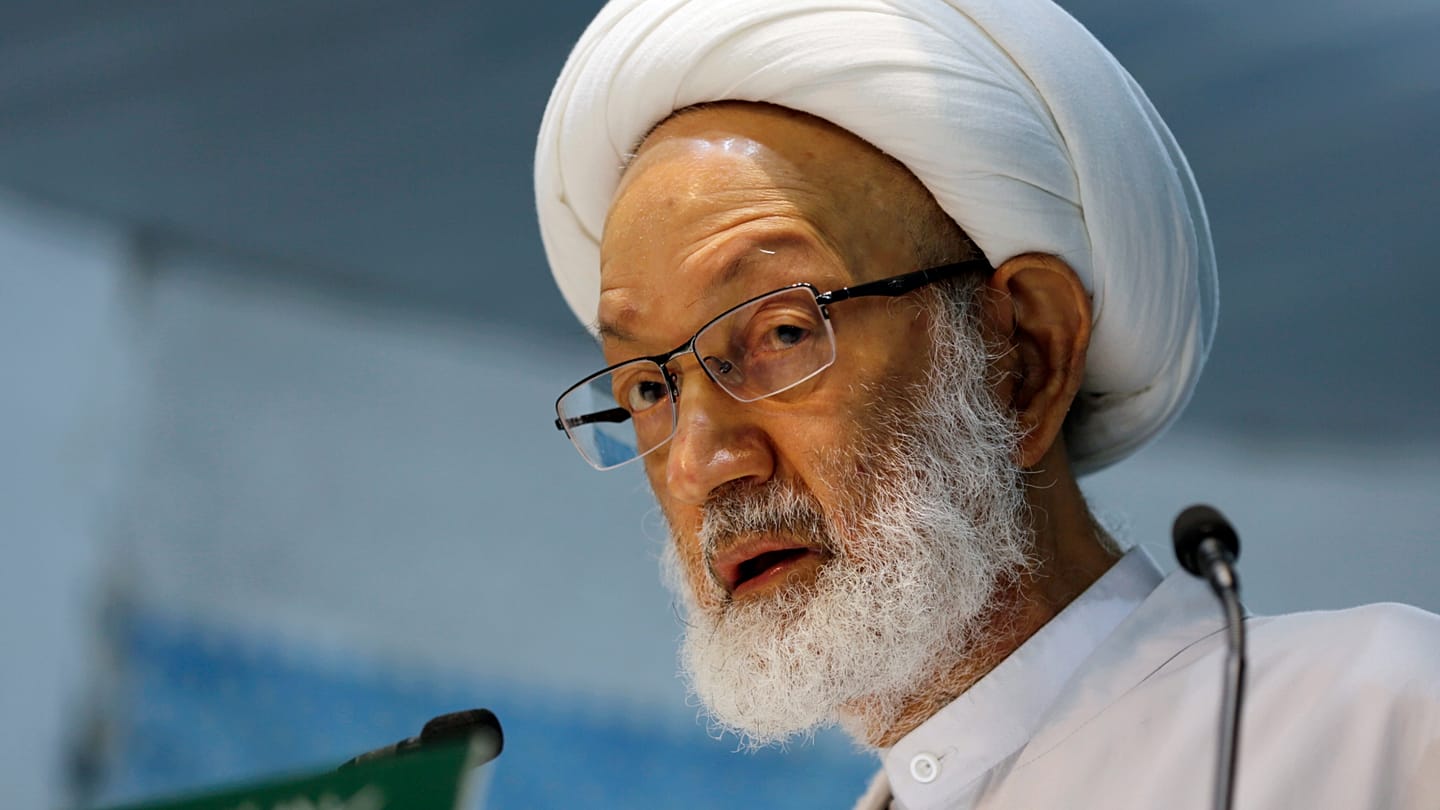
The Bahrain Institute for Rights and Democracy (BIRD) said all 69 defendants were convicted and that 60 were Shia clerics. Sheikh Isa Qassim, a prominent Shia religious figure who lives in Iran, received a life sentence in absentia. Thirteen defendants were tried without being present, according to BIRD, whose tally was reported by DAWN.
Rights groups allege abuse during proceedings
Prosecutors accused the defendants of raising money without authorisation and using mosques, sermons and charitable organisations to promote allegiance to Iran’s leadership. They also said the court ordered the confiscation of more than 8 million Bahraini dinars for charitable purposes.
Before the verdict, 20 human rights organisations, including Amnesty International and Human Rights Watch, called for an independent investigation into alleged torture and urged the court to reject confessions they said may have been obtained through abuse. The groups cited claims of prolonged blindfolding, sleep deprivation, threats and pressure to sign statements without reading them.
Bahrain’s public prosecution said defendants’ legal rights had been respected. It said lawyers attended hearings, examined evidence, questioned witnesses and presented arguments. Defence lawyers, according to the rights groups, said they were restricted in their access to case files and had limited time to review them.
Iran condemned the ruling as a human rights violation and rejected the allegations linking the defendants to Tehran. Bahrain dismissed the criticism, saying the court had judged criminal conduct rather than religious beliefs. The Gulf Cooperation Council’s secretary-general, Jasem Mohamed Albudaiwi, expressed confidence in Bahrain’s judiciary and accused Iran of interference in the country’s internal affairs.
 Clayton Ward
 Nicole French