

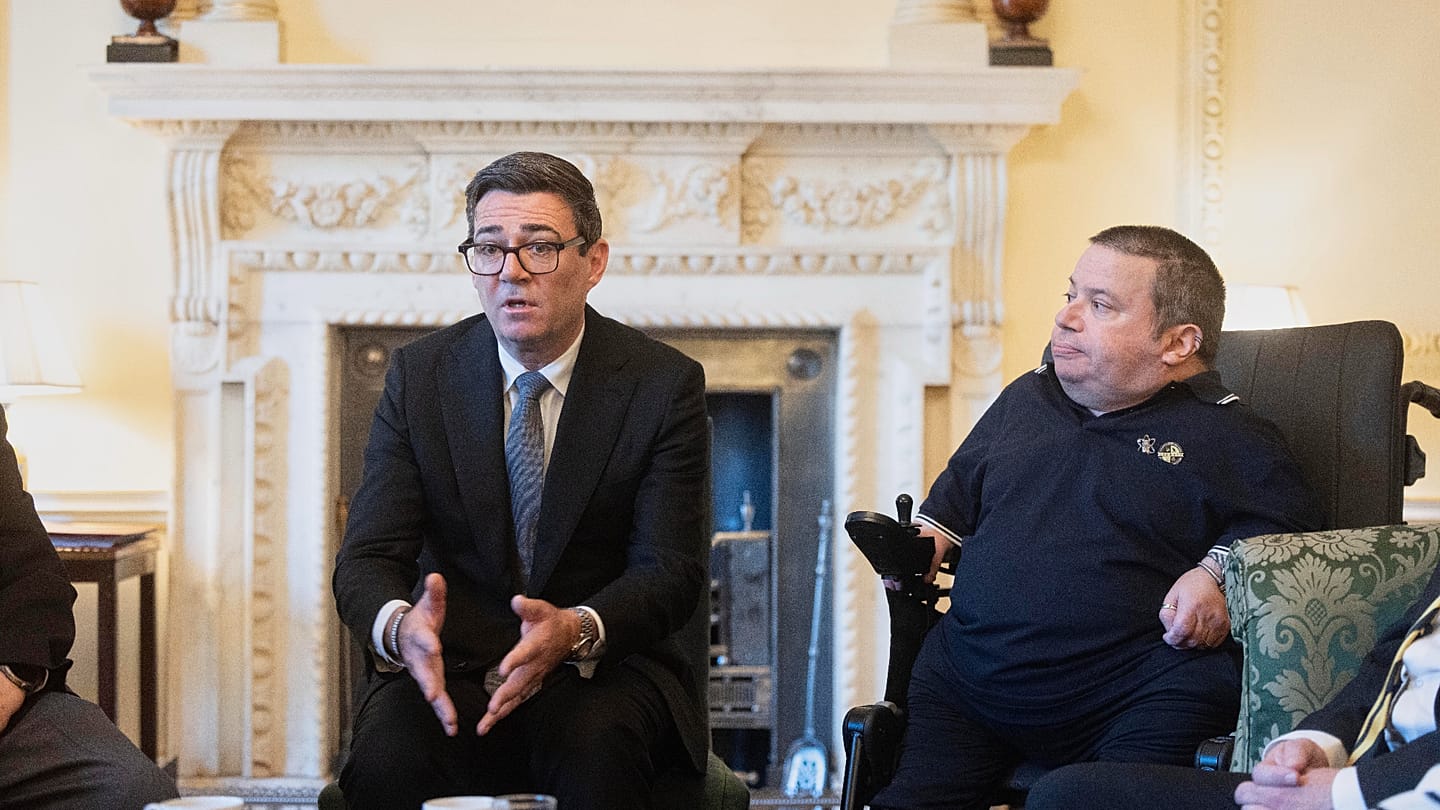
The UK government has announced an independent panel to examine the experiences of military personnel involved in British nuclear weapons tests and the impact on veterans’ families. Prime Minister Andy Burnham confirmed the plan on November 24, according to the government announcement.
The panel will be chaired by Bishop James Jones and follow the model of the Hillsborough Independent Panel. It will be non-statutory, rather than a conventional statutory public inquiry, and is expected to issue an interim report by October 3, 2027.
Veterans’ exposure and records under scrutiny
About 22,000 British service personnel witnessed nuclear tests in the Indian and Pacific oceans between 1952 and 1967. Veterans and campaigners say some personnel were sent near explosions or through radioactive fallout without adequate protection. They have sought recognition and compensation for around 40 years, arguing that exposure may be linked to illnesses among participants and, in some cases, their children.
The inquiry is expected to examine the conditions in which personnel served, what the government knew and when, advice given to ministers, statements made to Parliament and the handling of veterans’ health concerns. Campaigners have also questioned whether complete medical records, including blood and urine test results, have been made available.
The Ministry of Defence has said there is no evidence that the tests increased health risks, citing studies and research. The panel’s findings are intended to address questions about the tests and the government’s response to veterans and their families.
The first British atmospheric atomic test took place near the Montebello Islands off Western Australia on October 3, 1952. A national memorial service is planned for October 3, 2027, the 75th anniversary of that test.
 Clayton Ward