

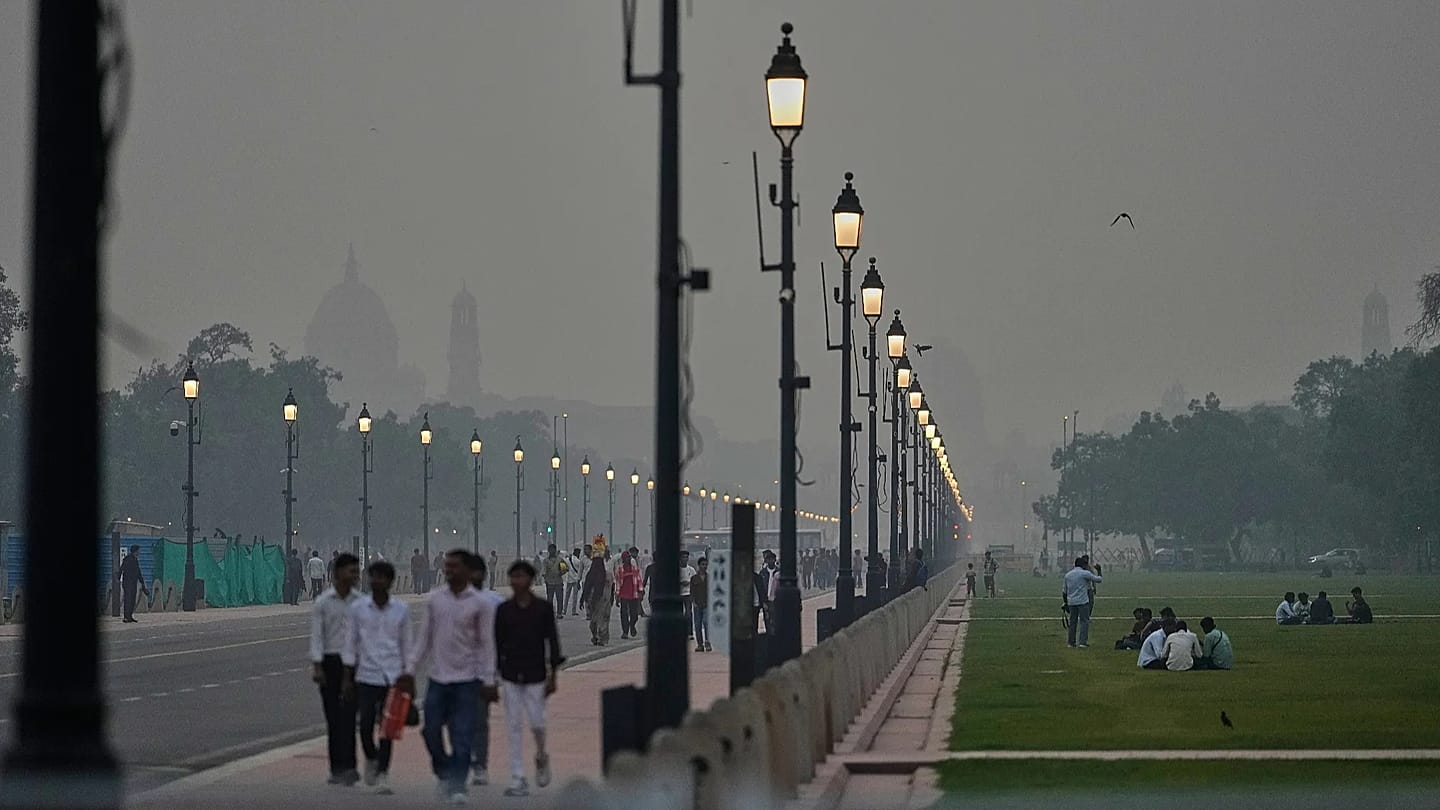
Meeting the World Health Organization’s air-quality guideline for fine particulate matter could prevent or postpone an estimated 9.43 million deaths in a single year across 136 low- and middle-income countries, according to research from the University of Cambridge.
The estimate comes from a study published on November 10 in Environment International. It models the potential effect of reaching the WHO’s recommended annual limit for PM2.5; it is not a count of deaths already prevented. The University of Cambridge said the analysis used pollution, population and health data.
The WHO’s 2021 guideline sets an annual PM2.5 limit of 5 micrograms per cubic metre, down from its previous recommendation of 10. Across the countries studied, average annual concentrations were 30.44 micrograms per cubic metre—more than six times the current guideline.
Projected health and economic gains
The study estimates that meeting the PM2.5 recommendation could mean 2.8 million fewer cases of chronic obstructive pulmonary disease, 1.1 million fewer cases of dementia, 7.3 million fewer cases of coronary heart disease and 2.3 million fewer strokes each year.
Reducing nitrogen dioxide (NO2) to the recommended level was associated with a separate estimate of about 1.1 million deaths prevented or postponed. The figures come from different pollutant scenarios and should not be added together as if they represented independent benefits.
The researchers also estimated annual societal welfare gains of Int$8.4 trillion from lower mortality risk, equivalent to 10.7% of the combined gross domestic product of the 136 countries. The study additionally projected savings in direct medical costs, including Int$11.8 billion for coronary heart disease, Int$5.9 billion for stroke and Int$8.6 billion for dementia.
Haneen Khreis, a co-corresponding author at Cambridge, said meeting the WHO guidelines would be difficult, but that low- and middle-income countries had an opportunity to shape healthier futures as their populations and cities grow.
 Clayton Ward
 Nicole French