

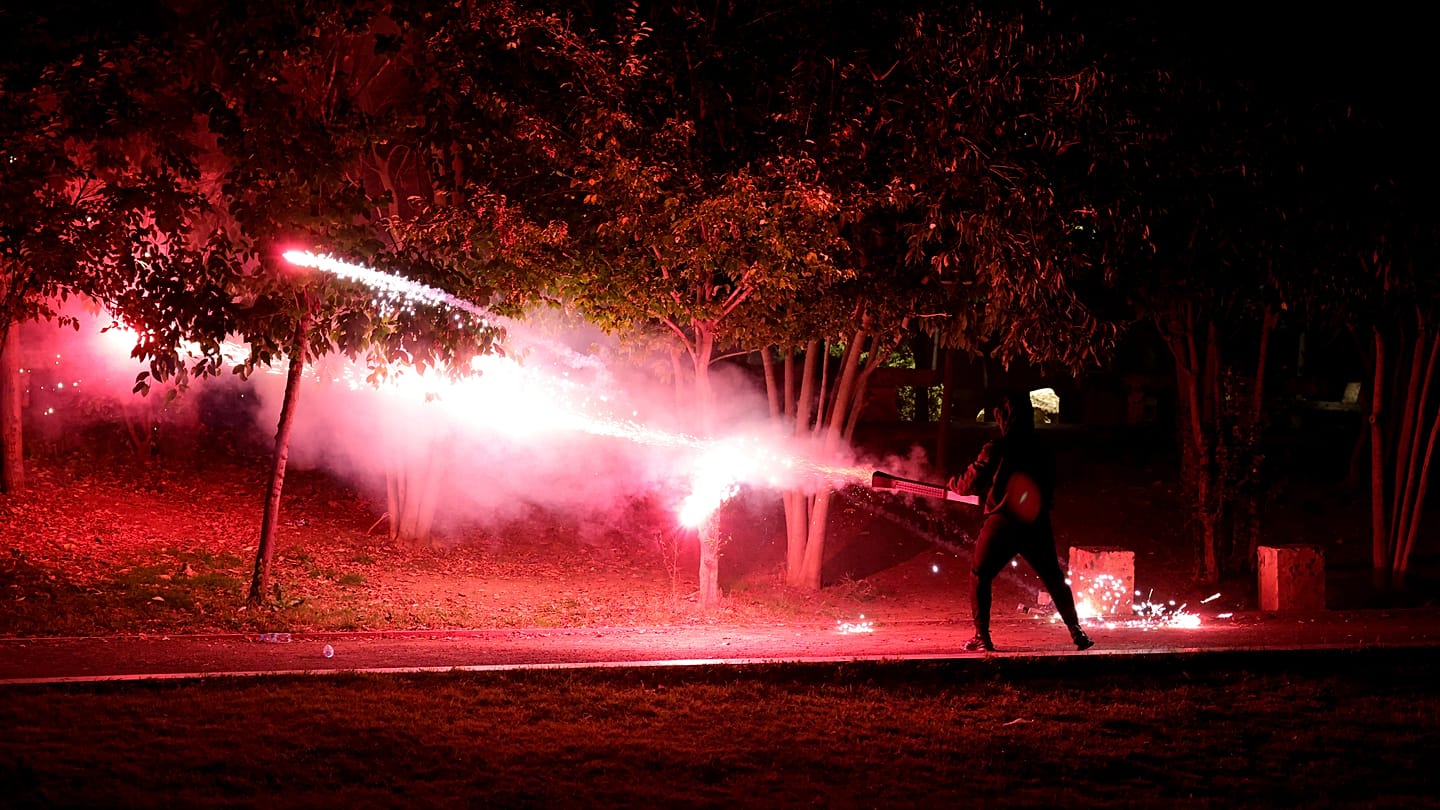
Fireworks injuries should be treated as a preventable public health risk, UCLA experts argue in an opinion published in The BMJ, calling for stronger regulation and sustained public education campaigns. Their proposed steps include steering people toward professional displays and warning consumers more clearly about the dangers of setting off fireworks at home.
The injuries can include severe burns, blast damage, traumatic brain injuries, amputations and permanent vision loss. The authors say children, young men, rural communities, people with lower incomes and bystanders are disproportionately affected. Their recommendations include school campaigns using real-life accounts and images, as well as graphic injury warnings on fireworks packaging. MedicalXpress reported on the BMJ opinion.
Recent injuries and EU rules
In the Netherlands, an estimated 1,239 people needed medical care for fireworks injuries during the 2025–26 New Year period, a 7% rise from the previous year, according to VeiligheidNL. Italy reported 283 people injured during New Year’s Eve celebrations, including 54 who were hospitalized.
Many countries do not maintain nationwide registers of fireworks injuries, making the overall scale difficult to measure. Health professionals have called for systematic national data collection.
EU rules set minimum ages for consumer fireworks according to hazard category: 12 for category F1, 16 for F2 and 18 for F3. Category F4 products are for people with specialist knowledge. Member states may impose stricter limits on their sale, possession and use; the current framework does not itself amount to the stronger rules sought by the authors.
 Clayton Ward