

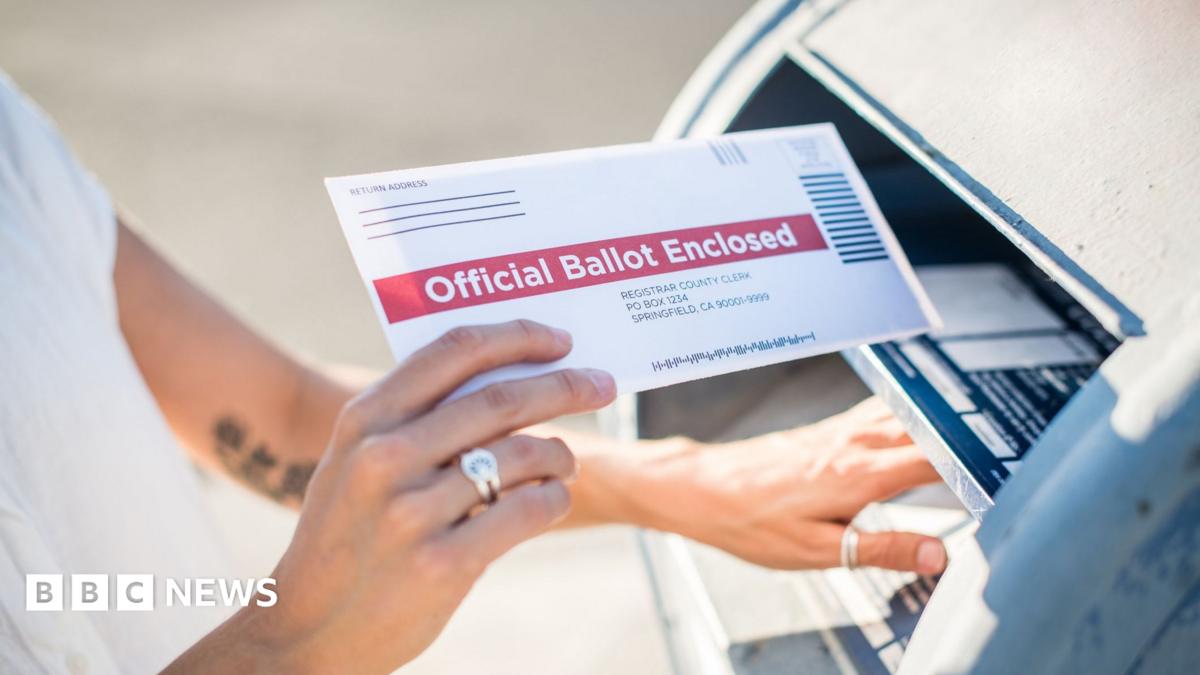
The U.S. Supreme Court on Nov. 2 rejected the Trump administration’s emergency bid to set aside California ballots linked to about 20,000 people it described as likely noncitizens, leaving the state’s election procedures in place for the Nov. 3 midterms.
The one-line order denied the Justice Department’s request for an injunction while its appeal continued. The court docket records the decision but gives no explanation. The ruling concerns the emergency request; it is not a final decision on the broader lawsuit.
The federal government had asked California officials to segregate the ballots while it sought to verify the citizenship of people on a federal list. The figure of about 20,000 reflects the administration’s allegation, not a court finding that those people were noncitizens or had voted unlawfully.
California election officials challenged the list’s accuracy and warned that separating ballots during the election could exclude eligible voters. A federal district court rejected the request on Oct. 28, followed by the Ninth Circuit on Oct. 30. The appeals court’s ruling cited concerns about the list’s reliability and the potential disruption to election administration.
More than six million mail-in ballots had been received in California by Sunday night, according to the state secretary of state’s office. California has about 23 million people on its voter register.
The Supreme Court’s action leaves the lower courts’ rejection of the requested ballot-segregation measure in effect for the election. It does not resolve the underlying dispute over the federal government’s effort to challenge California’s handling of the voter list.
 Nicole French