

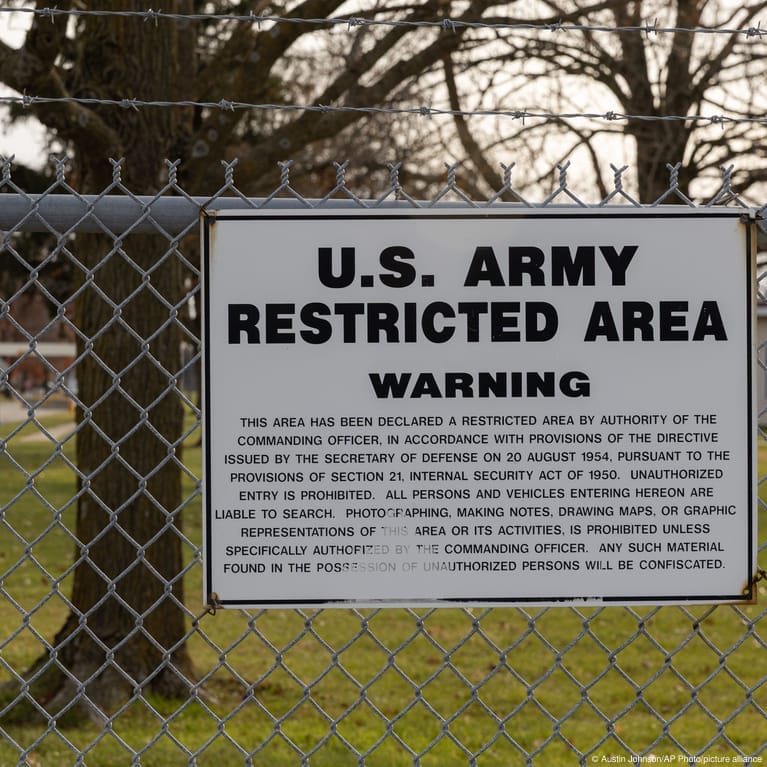
The U.S. Army scheduled a controlled detonation of about 5 tons of aging lead azide at the Iowa Army Ammunition Plant near Middletown on Wednesday, Nov. 25, saying the material had become too unstable to store safely. The planned blast was set for 9 a.m. local time and would destroy the country’s entire stockpile of the explosive chemical, according to the Army.
The stockpile consists of 68 drums containing more than 9,700 pounds of net explosive material. The Army said it had considered the risks and determined that carrying out the detonation at the plant was the viable option because the degraded material was too sensitive to handle or move safely.
An inspection in March found that the lead azide had partly crystallized. That condition can make it sensitive to friction and cold, raising the risk of an accidental explosion. The material had been brought to Iowa from military bases around the country in 2009.
Residents advised to take precautions
The Army advised residents in an area extending five miles southwest of the plant to relocate as a precaution. Federal emergency officials also advised people farther away, between five and 20 miles from the site, to remain indoors with windows closed.
To limit the spread of toxic lead dust, the Army built barriers around the storage bunkers and planned to use foam and water to trap particles during the blast. Projections cited by DW said dust could settle as far as 40 miles southwest, potentially reaching northern Missouri. Officials expected the wind to carry the plume away from Burlington.
The scheduled date had changed three times following public opposition. A federal appeals court cleared the Army’s plan on Monday after environmental groups challenged it. Acting Army Secretary Adam Telle said the public should not panic, while Major General Eric Shirley said inaction was no longer an option.