

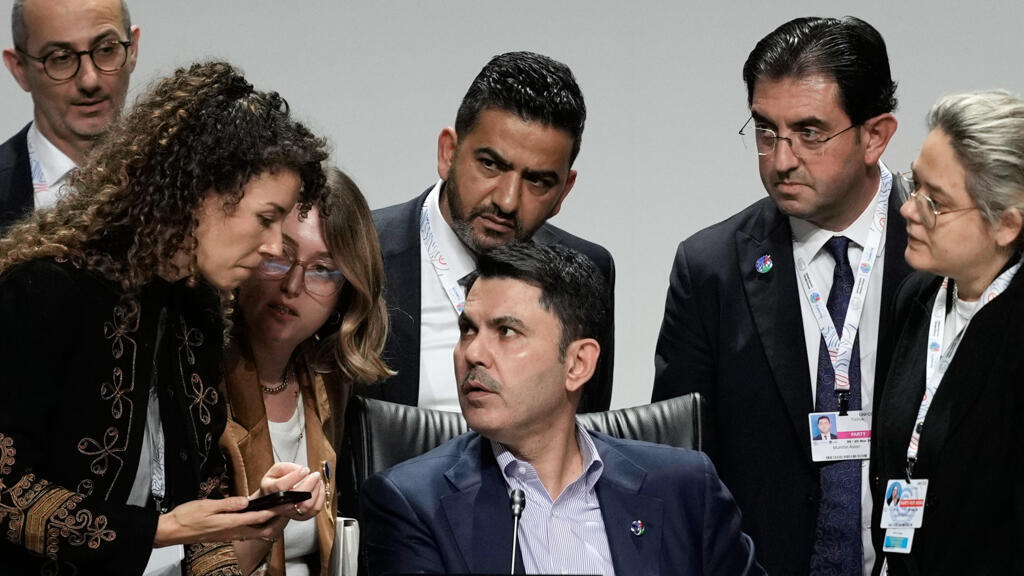
Pacific island nations criticized the outcome of COP31 after the UN climate summit in Antalya ended on November 22 without agreement on key issues. The Marshall Islands delegation said it had been “let down on all sides,” while Tuvalu’s climate minister cited a lack of engagement and transparency in the effort to reach a final statement.
The conference did adopt some negotiation decisions, including one on a just transition, according to the UN climate body. But talks led by the presidencies did not resolve all outstanding matters, and negotiators failed to agree on a broader final outcome.
A central dispute was whether the summit’s concluding text would explicitly mention fossil fuels. Ireland’s climate minister, Darragh O’Brien, said his country would not support a decision that omitted them. The European Union and Saudi Arabia clashed over the pace of moving away from coal, oil and gas, according to France 24.
Political fallout in Australia
Australian Energy Minister Chris Bowen led the COP31 negotiations. Opposition figure Angus Taylor called for Bowen to resign, blaming him for the summit’s failure to secure a final agreement. Prime Minister Anthony Albanese did not directly address whether Bowen should leave his post, saying his government believed in climate science and acted in Australia’s national interest.
UN Secretary-General Antonio Guterres said he shared the frustration of those who expected governments to respond to the climate crisis. China also expressed disappointment, while urging countries not to lose confidence in multilateral negotiations.
Pacific island states face rising sea levels and other climate threats. Tuvalu’s climate minister, Maina Talia, said the lack of commitment to put the world back on track for its temperature goal was a concern.
 Clayton Ward
 Reid Bentley