

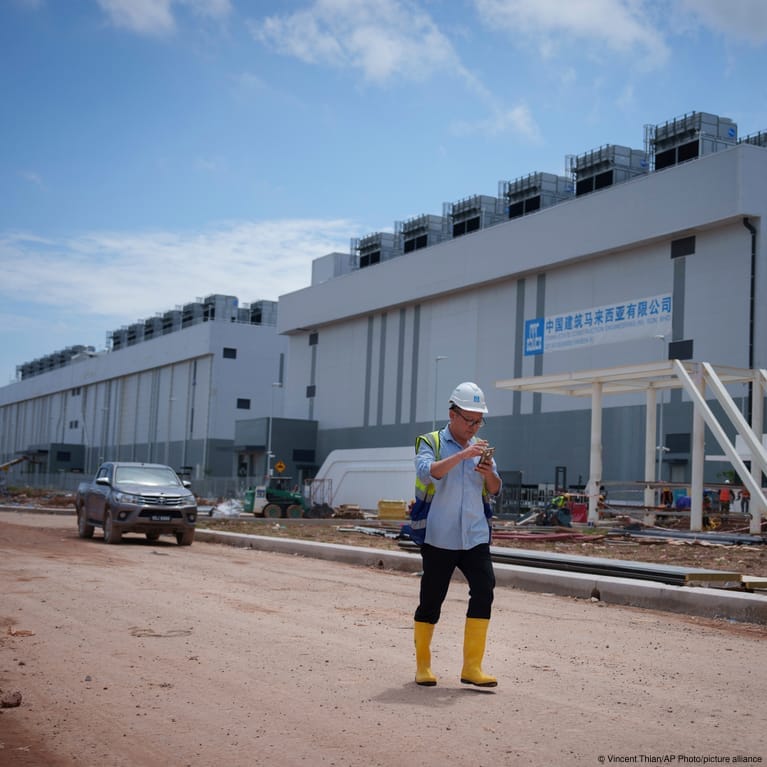
The United States has tightened controls on remote access to advanced AI chips through overseas data centers, including facilities in Malaysia, citing national security concerns. The rules address a potential route for companies in restricted markets to use US technology without importing the chips themselves.
The Commerce Department’s Bureau of Industry and Security issued the measure on November 16, 2026, and it took effect on November 19, according to the BIS announcement. The agency said the restrictions are intended to prevent foreign actors from using advanced computing power based on US technology in ways that threaten US security or foreign policy interests.
The rules cover data centers that provide significant computing capacity to companies linked to destinations in Country Group D:5 or Macau. China, Russia, Iran and North Korea are among the countries in the D:5 group. The measure also adds licensing requirements for advanced semiconductors destined for Malaysia, Indonesia, Singapore, Thailand and Brazil, while exempting subsidiaries of US companies.
Data centers become part of chip controls
Under a model described by DW, companies can rent computing capacity from cloud providers or lease space in overseas data centers, gaining remote use of installed graphics processing units. That approach can give users access to powerful chips without shipping them across borders.
Malaysia has attracted data center projects, particularly in Johor, where the country’s Digital Ministry says 16 of 27 new facilities are located. The sites benefit from relatively low electricity prices and connections to international submarine cables, DW reported.
The new controls require closer scrutiny of customers’ ownership and control structures. However, the regulation does not identify specific Chinese companies that used remote access or establish how much computing capacity they obtained. It sets out Washington’s response to the risk, rather than proof of particular firms’ conduct.
 Reid Bentley