

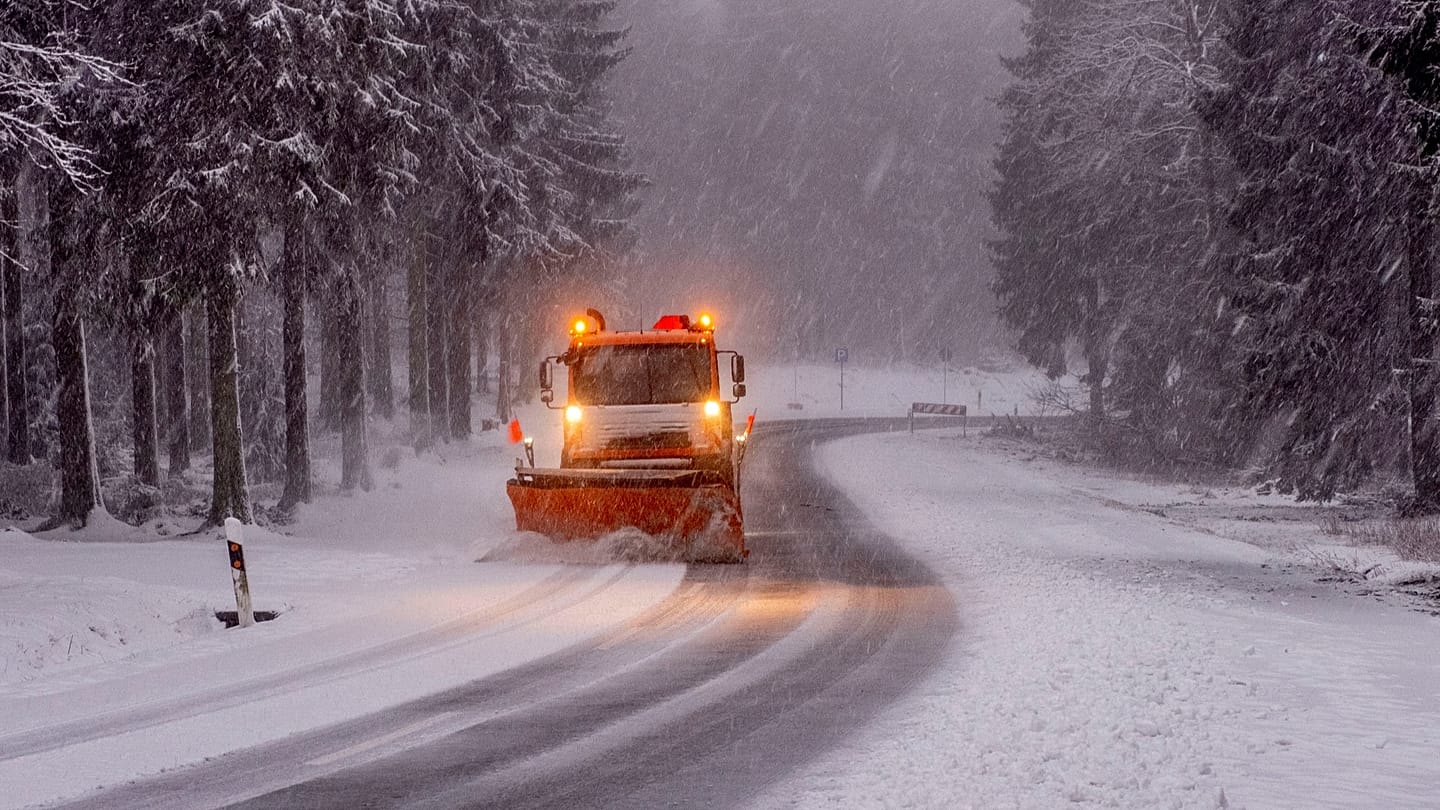
An unusually early sudden stratospheric warming has disrupted the polar vortex, raising the possibility of colder weather in Europe in the coming weeks. The UK Met Office confirmed the event on November 18, but said its effects at the surface remain uncertain.
The polar vortex is a circulation of winds high above the Arctic. When it weakens or changes direction, shifts in the jet stream can allow colder air to move south. The Met Office says such changes can take two to six weeks to influence the lower atmosphere, and do not guarantee a cold winter.
Market forecasters cited by Euronews said the event could increase the chances of colder temperatures, storms and stronger demand for heating over the next month. They cautioned that a single episode is usually short-lived; repeated disruptions would be needed to sustain an effect through the winter.
Heat pumps can reduce reliance on gas
For households facing higher heating needs, heat pumps offer an alternative to gas boilers. They draw energy from air, water or the ground and typically produce three to four kilowatt-hours of heat for each kilowatt-hour of electricity used.
Each residential unit displaces an average of about 1,100 cubic metres of gas and two tonnes of carbon dioxide a year when its electricity comes from renewable sources, according to figures reported by Euronews. The European Heat Pump Association estimated that heat pumps installed across Europe provide as much heat as the liquefied natural gas carried by more than 200 tankers.
Heat pumps do use more electricity during cold spells. Jean-Paul Harreman, a director at Montel, told Euronews that they are more efficient than gas boilers, but higher electricity prices can still raise costs during the coldest periods. He said a short-lived price spike should not be confused with the total cost over a year.
Sales of heat pumps rose 13% in 2025 to 2.9 million across 21 European countries, bringing the installed total to 29.3 million, Euronews reported. The potential impact on overall gas demand remains limited, Harreman said, with reduced industrial energy use playing a larger role.
 Clayton Ward