

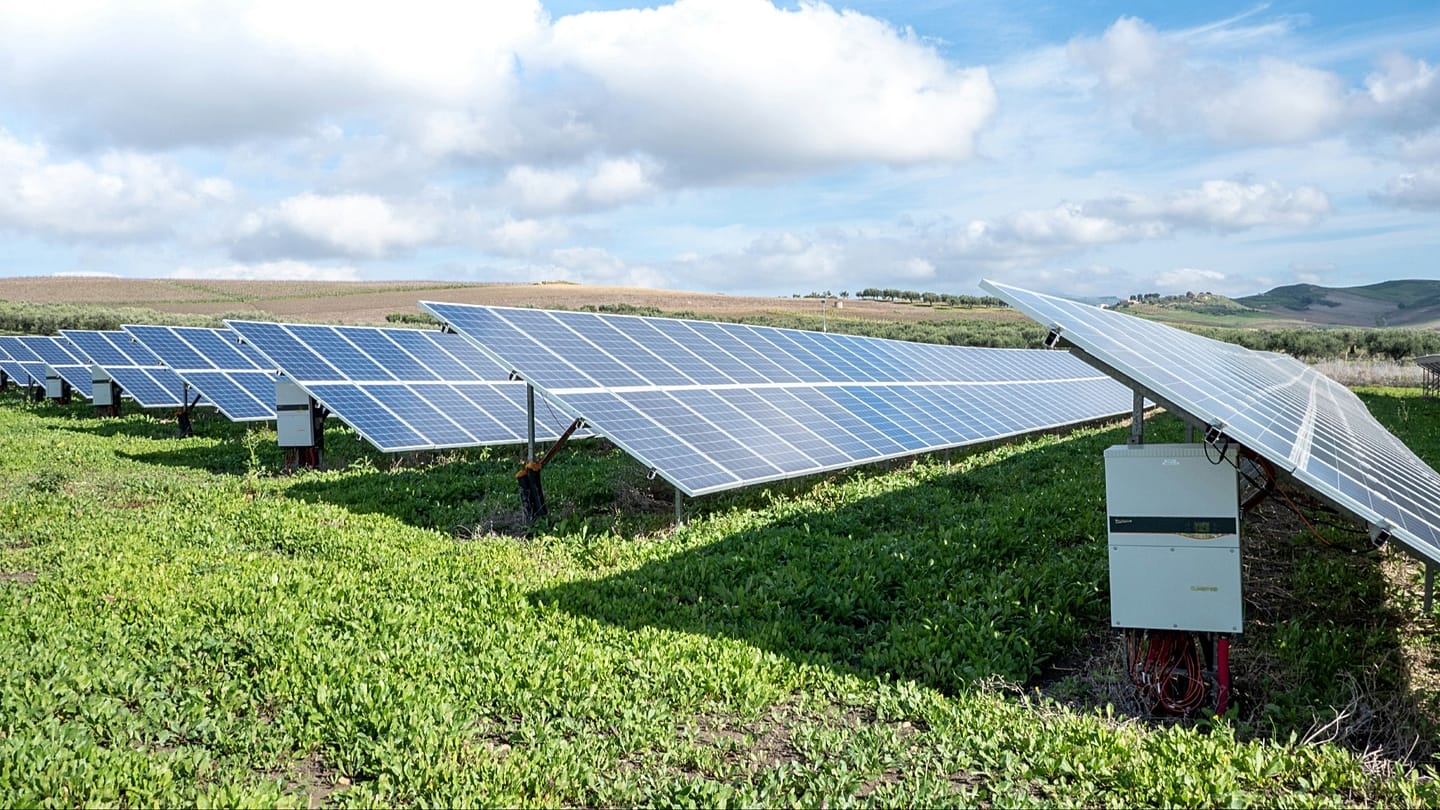
Battery storage could make evening electricity in Italy substantially cheaper by shifting solar and wind power into hours when renewable generation falls, according to an analysis by Ember, Cleantech for Italy and Energy Square. The study estimates stored renewable electricity could cost €106–€122 per megawatt-hour, compared with €210 per megawatt-hour for gas-fired generation at October 2026 gas prices.
The comparison suggests a potential reduction of up to 49% in generation costs against a typical gas plant. It is an estimate, not evidence that household bills have already fallen by that amount; the effect on prices depends on how storage and renewable generation develop.
Batteries are covering a growing share of peak demand
Italy gets 49% of its electricity from renewable sources, but gas remains important when demand is high and sunlight has faded. Evening demand tends to peak around 8 p.m., when households return from work and school.
Batteries supplied an average 2.8% of Italy’s evening peak demand in the first half of 2026, more than twice the 1.3% recorded in the same period a year earlier, the analysis found. The share remains modest, but contracted projects coming online could expand the contribution.
Electricity prices are influenced by the merit order system: the most expensive generation needed to meet demand can set the market price. When renewable output is insufficient, gas or other fossil-fuel plants may be called on, exposing prices to fuel costs.
Beatrice Petrovich, a principal energy analyst at Ember, said batteries can carry lower-cost renewable electricity into hours when prices peak. Michele Torsello, director of Energy Square, said storage, power grids and new generation need to develop together so the system can make better use of renewable energy.
The analysis, published by Ember with Cleantech for Italy and Energy Square, argues that expanding batteries alone is not enough: their value depends on how well they work alongside new renewable capacity and the grid.
 Clayton Ward