

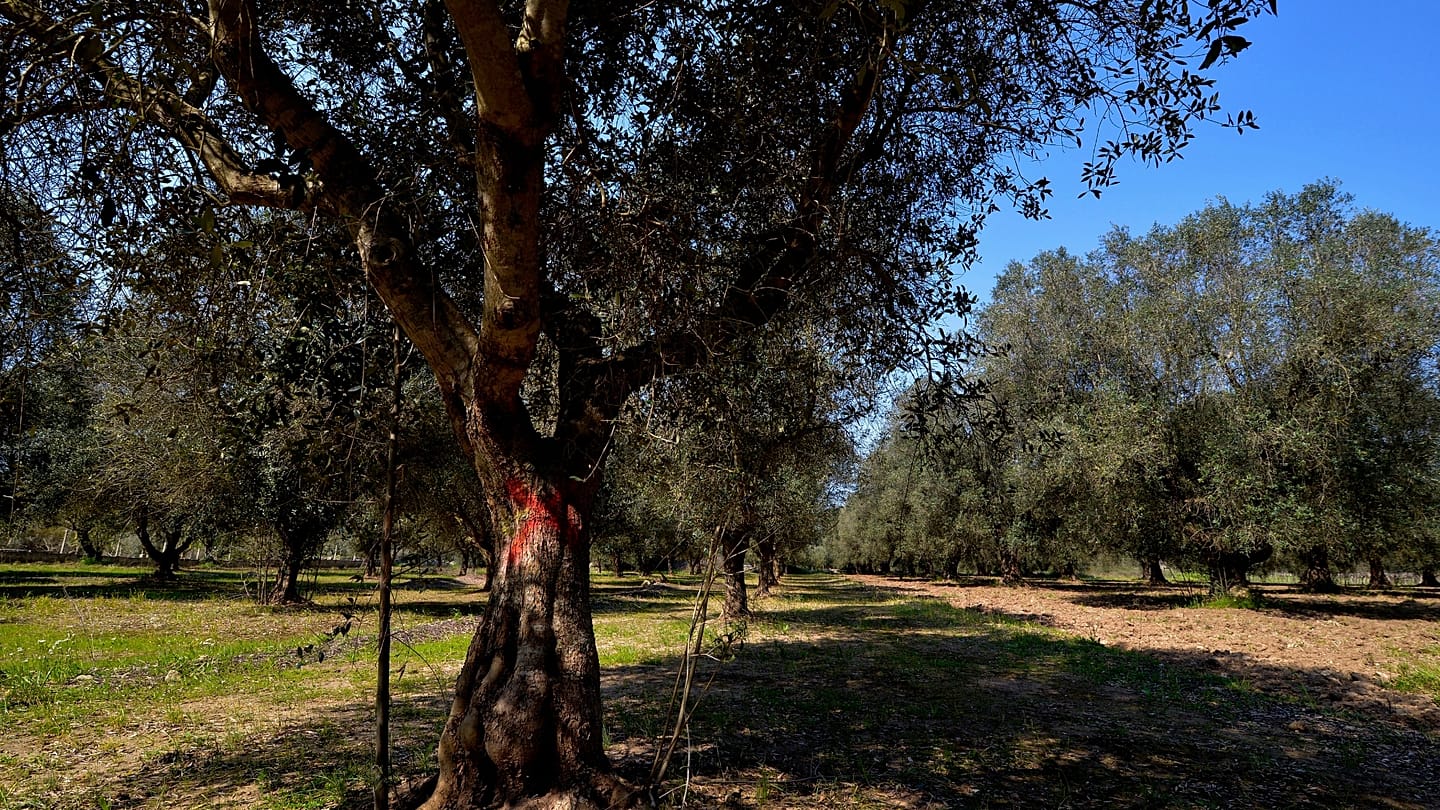
Farmers in Salento, southern Italy, are planting avocados as an alternative to olive groves hit by Xylella fastidiosa, even as the crop’s high water needs pose a challenge in a drought-prone region.
At the Tommasi farm between Calimera and Vernole, in the province of Lecce, avocado planting began in 2017. Harvesting was under way by mid-November, and the farm added 700 trees in April 2026, according to Euronews.
The report says mature trees at the farm produce an estimated 70 to 100 fruits each, with yields of about 10 quintals per hectare. The shift reflects efforts by some growers to keep agricultural land in production after Xylella damaged olive trees across parts of Apulia. It is not a wholesale replacement of the region’s olive cultivation.
Water needs complicate the shift
Avocados need substantial water, particularly during hot summer months. The trees are also sensitive to saline water and poorly draining soils, concerns in Salento, where groundwater resources face pressure and seawater intrusion has been documented.
Apulia ended its water-shortage emergency on June 30, 2026, after heavy rain in the preceding winter and spring. But the report says water availability remains a concern: agricultural irrigation in Salento relies significantly on groundwater, and expanded cultivation of thirsty crops could add pressure to wells.
Xylella was first detected in the European Union in Apulia in October 2013. The bacterium can impair water transport in plants and cause rapid decline in olive trees. Its presence has since been reported in France, Spain and Portugal, and it affects other plants as well as olives.
For growers, avocados offer a possible source of income on land affected by the disease, but planting them brings its own risks. Trees take years to produce, require investment and can be damaged by winter cold, while their water demand must be weighed against local supply.
 Clayton Ward