

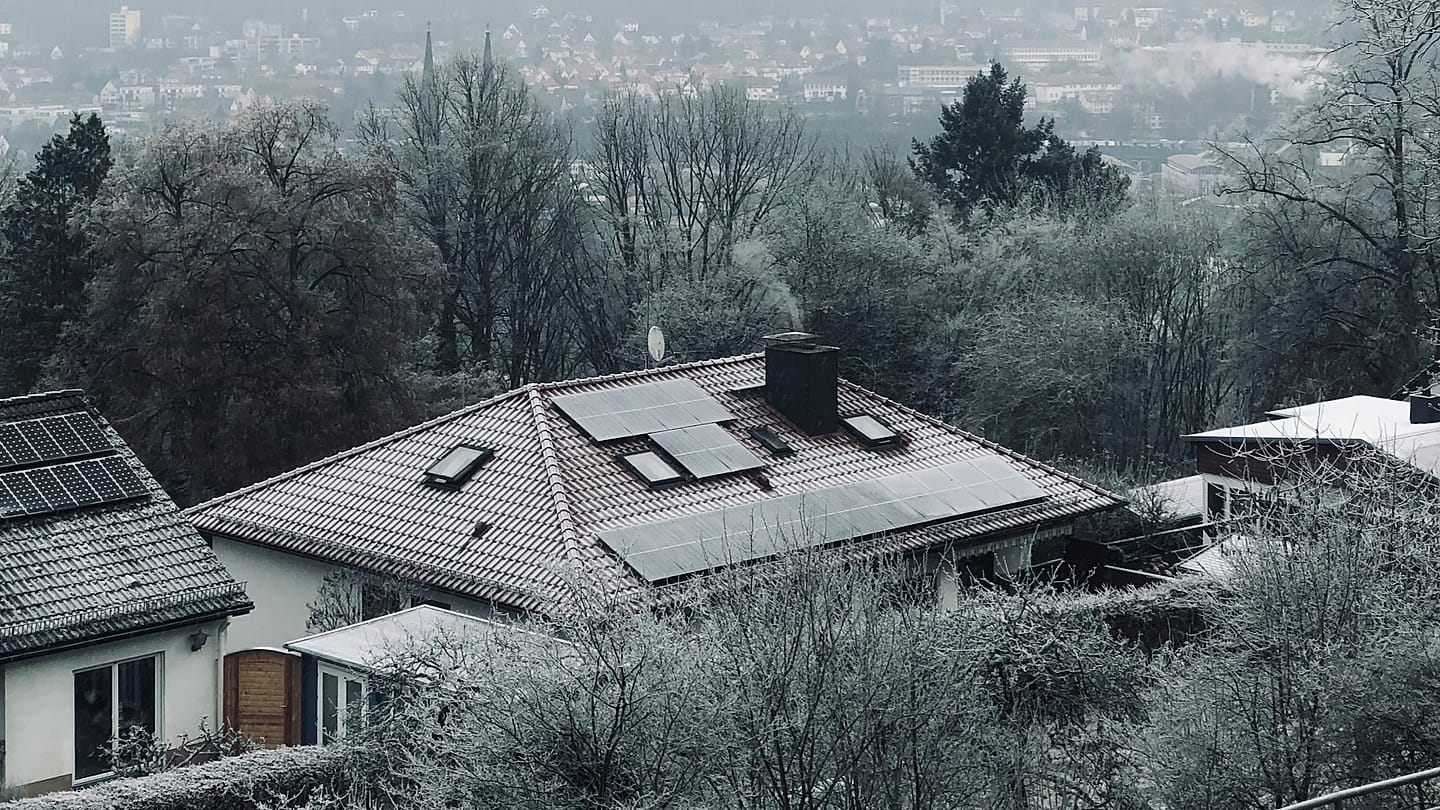
European households considering rooftop solar may need to start planning well before spring, as permit and grid-connection delays can stretch for weeks or months and several countries are preparing changes to incentives in 2027.
A typical installation takes one or two days, but approvals can take much longer. An OECD report cited in Euronews found that permit times for rooftop projects ranged from six weeks in Malta to as many as 10 months in Bulgaria. Bulgaria has since removed permit requirements for residential systems of up to 20 kilowatts, though delays remain an issue elsewhere.
In the UK, Solar and Battery Company founder Edward Gurney said approval from electricity providers can take four to five weeks under normal conditions. He also said replacement solar equipment can take around six weeks to arrive, while icy roofs may disrupt installation schedules.
Tax and subsidy changes are expected in 2027
In England, Scotland and Wales, the value-added tax rate on solar installations is due to return to 5% on April 1, 2027, after being reduced to zero in April 2022. The Solar and Battery Company reported a 37% increase in inquiries in early November as customers sought to install before the change. That figure reflects inquiries to one company, not a Europe-wide measure of sales.
Germany’s solar industry association has warned that homeowners installing systems from January could lose access to government support unless new energy legislation is approved by the end of the year. Lawmakers have tentatively agreed to continue payments for surplus electricity from systems up to 25 kilowatts, but a final deal has not been reached. Austria plans to end grants for solar panels in 2027 and instead support home battery purchases.
Planning early may also help households have panels in place for the sunnier months. Solar supplied less than 5% of EU electricity in January 2025, compared with more than 20% in May, according to figures cited in the report. Gurney advised homeowners to compare installer quotes and assess household electricity use, panel numbers and battery capacity before making a decision.
 Clayton Ward