

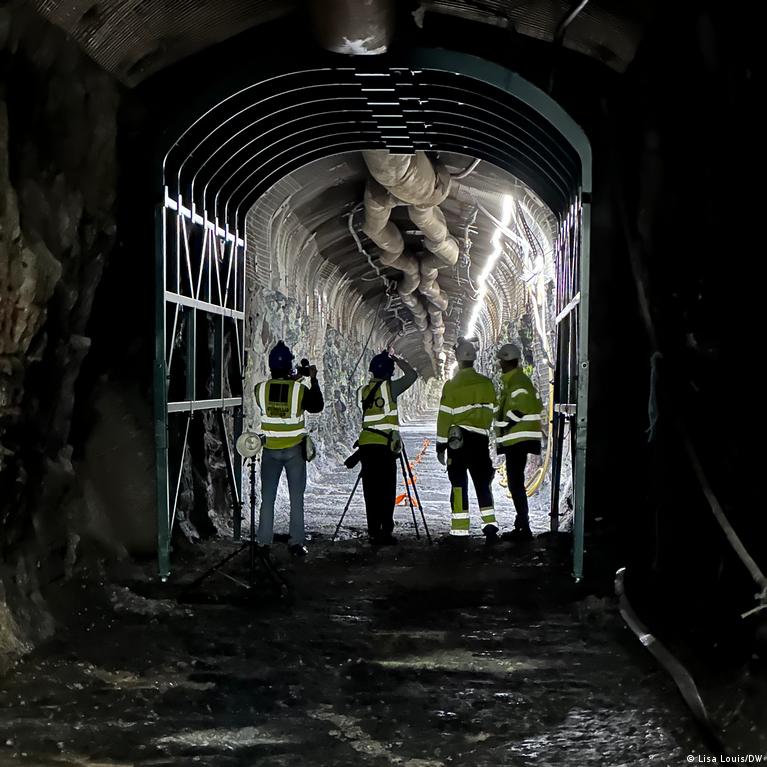
Decade of Search for a Safe Nuclear Waste Repository
Germany is in the process of selecting a final storage site for its radioactive nuclear waste, focusing on underground disposal similar to the approach finalized recently by Finland. After nearly ten years of investigation by the Federal Company for Radioactive Waste Disposal (BGE), the search has reduced potential locations to just 5% of the nation’s land area.
Long-Term Storage Challenges
The nuclear waste includes highly radioactive spent fuel elements that require containment for up to one million years. Ensuring safety over such extended timeframes demands thorough evaluation of geological stability, risk of groundwater contamination, and natural rock barriers, typically found in clay, granite, or salt formations.
Interim Storage and Phase-Out of Nuclear Power
Currently, Germany stores waste at temporary sites near former nuclear power plants, all of which have been shut down, with the final closure completed in 2023 following the decision to phase out nuclear energy in 2011. The country anticipates identifying a final repository site by 2050.
Learning from Finland’s Example
Finland approved its deep geological repository after four decades, benefiting from public trust and consistent government oversight. German authorities aim to match Finland’s rigor and transparency while potentially accelerating their timeline under the guidance of Environment Minister Carsten Schneider.
Costs and Future Planning
The annual expenditure for nuclear waste management in Germany currently stands at approximately €1.4 billion, with the expected total cost of the permanent repository estimated near €14 billion. The facility will ultimately house around 28,000 cubic meters of radioactive materials deep underground.
 Reid Bentley