

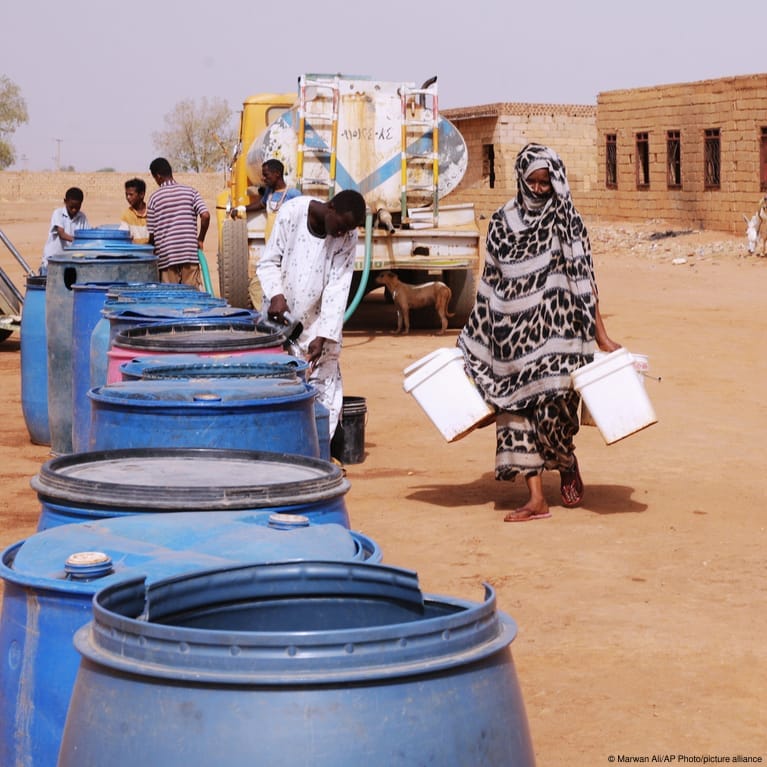
Humanitarian agencies say a funding shortfall is putting emergency shelter and basic household supplies out of reach for millions of displaced people in Sudan. The 2026 UN response plan needs $2.9 billion to assist 20.4 million people, but only 47% of that amount has been raised, according to a joint warning from UNHCR and the International Organization for Migration.
The agencies said 15.4 million people in Sudan need emergency shelter and essential household items. They can prioritize assistance for only 10% of that group because of the funding gap. The joint statement also reported that 936,000 people had received assistance.
Across the country, 33.7 million people depend on humanitarian aid. Fighting between the Sudanese Armed Forces and the paramilitary Rapid Support Forces has driven about 8.6 million people from their homes within Sudan, while more than 4.6 million have fled to neighboring countries. A further 5.2 million have returned to their areas of origin, where towns and infrastructure have been damaged.
Food insecurity and access barriers
On October 23, the United Kingdom and 31 international partners, including Germany, warned that 19.5 million people—about 41% of Sudan’s population—were facing acute food insecurity. They called on the warring parties to allow humanitarian access and avoid attacks on civilian infrastructure, while urging donors to increase funding.
Sudan expert Marina Peter, chair of the Sudan and South Sudan Forum in Germany, told DW that people in parts of the country have been cut off from aid since the war began. She also questioned appeals for more donor support when many of the countries making them have reduced their own humanitarian budgets.
Caritas International’s Sudan specialist, Ivo Körner, said reduced international funding was limiting aid projects. He said Caritas’ Sudan projects in 2026 were financed exclusively through donations.
Civilians also face growing risks from drone attacks. The UN Human Rights Office reported that drones killed at least 1,120 civilians in the first half of 2026. Aid delivery is further complicated by fighting, logistical obstacles and restrictions on humanitarian access.
 Reid Bentley