

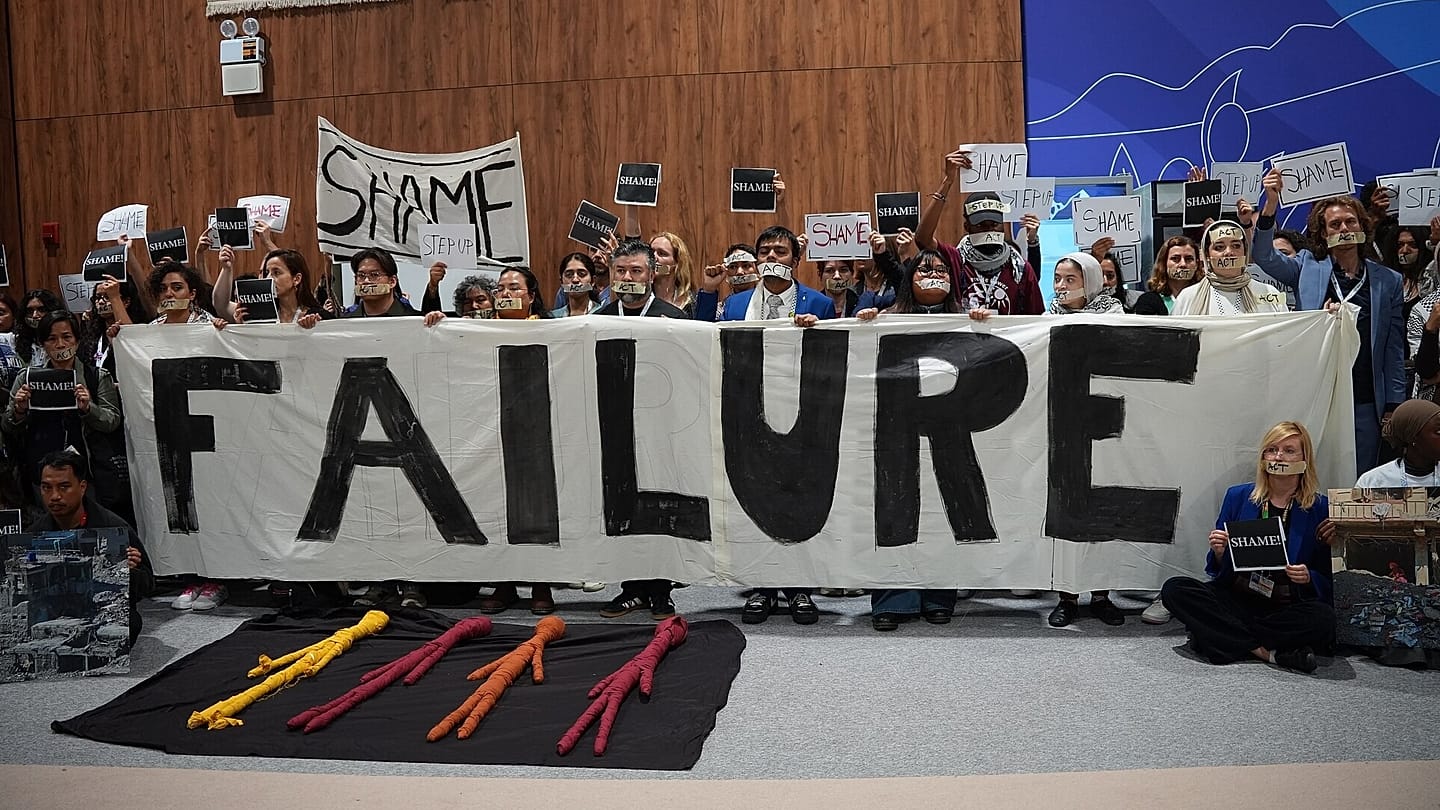
COP31 ended in Antalya on November 22 without agreement on a general climate pact, after negotiations failed to bridge divisions over fossil fuels and climate finance. The conference itself concluded, but countries did not adopt the proposed Antalya Pact.
The final draft, put forward by co-hosts Türkiye and Australia, made no mention of fossil fuels or the COP28 commitment to transition away from them. The European Union, the United Kingdom and several Pacific island states rejected the text. Oil-producing countries, including Saudi Arabia, opposed explicit references to coal, oil and gas.
Talks ran for two weeks, including 44 hours of overtime. Finance was another sticking point: a proposed goal of roughly €110 billion a year for climate adaptation by 2035 was absent from the final draft, despite calls from developing countries for support against floods, droughts and other disasters.
UN Secretary-General António Guterres said after the summit, “There may be no consensus in the negotiating room. There is no ambiguity in the science.” The United Nations said the summit ended without a climate pact. The United Kingdom also confirmed that the conference concluded without agreement on the Antalya Pact.
Voluntary commitments continue
The failed pact did not mean the conference produced no other outcomes. More than 90 countries backed Türkiye’s voluntary “35 by 35” pledge, which aims to raise the share of global energy supplied by electricity from about 23% to 35% by 2035. Governments, businesses and civil society groups also announced commitments outside the formal negotiations.
Climate negotiations will continue at COP32, scheduled to take place in Ethiopia next year. The unresolved debate over fossil fuels and financing will carry over, while the broader conference process remains in place despite the failure to reach a consensus pact.
 Clayton Ward