

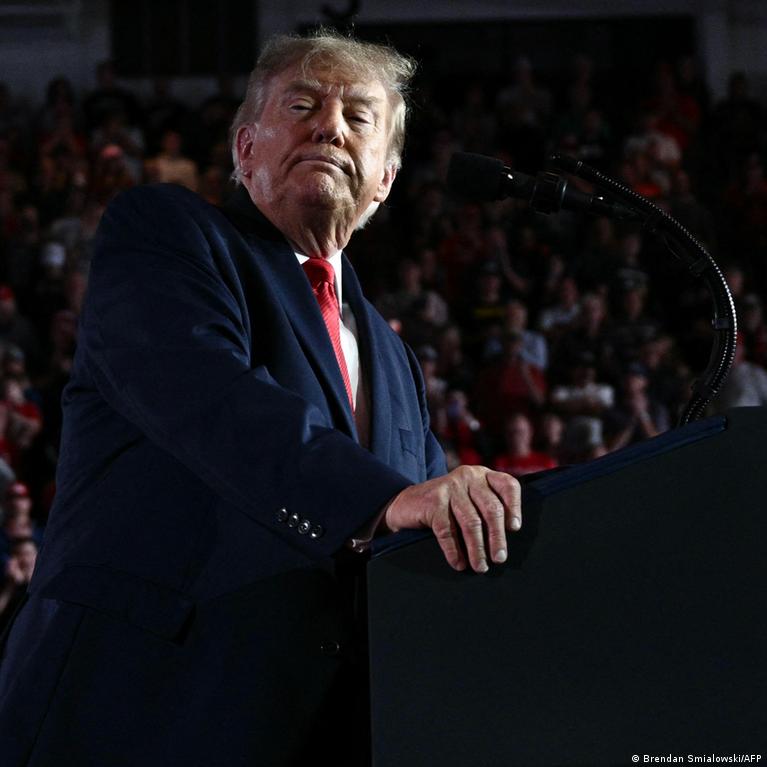
Democrats are projected to take control of both the House of Representatives and the Senate after the November 3 midterm elections, a major setback for President Donald Trump’s party. The change in congressional leadership will take effect when the new Congress convenes on January 3, 2027, not immediately after the vote.
The Associated Press projected the party shift as results came in on November 4. Many races were still being counted, but the projected victories were enough to determine which party would hold majorities in both chambers.
The wins included James Talarico’s Senate victory in Texas and Adam Hamilton’s defeat of Republican Sen. Roger Marshall in Kansas. Hamilton’s win gives Democrats their first Senate seat in Kansas since 1932. At least five candidates endorsed by the Democratic Socialists of America also won House seats, according to projections reported by Axios.
New majorities, but no immediate change
Once the new Congress takes office, Democrats will be able to shape committee assignments, set the legislative agenda and conduct oversight of the administration. Their control of Congress will also give them influence over federal spending, though the election does not itself change current law or automatically block presidential actions.
Voter concerns about checks on presidential power featured prominently in the results. In an AP Voter Poll, about 30% of respondents identified the state of democracy as the country’s biggest problem, while roughly 70% said Congress was not doing enough to check the president.
The result is likely to intensify debate among Republicans about the party’s direction after losses across the country. The cost of living and the war with Iran were among the issues raised during the campaign, but available polling does not establish the war as the sole cause of the Republican defeats.
The outcome could also affect US ties with Europe. Ian Lesser of the German Marshall Fund told DW that Democratic control could give Congress more influence over NATO policy, military funding and proposed reductions in US support. Any renewed transatlantic cooperation remains a prospect rather than an immediate result of the election.
 Reid Bentley