

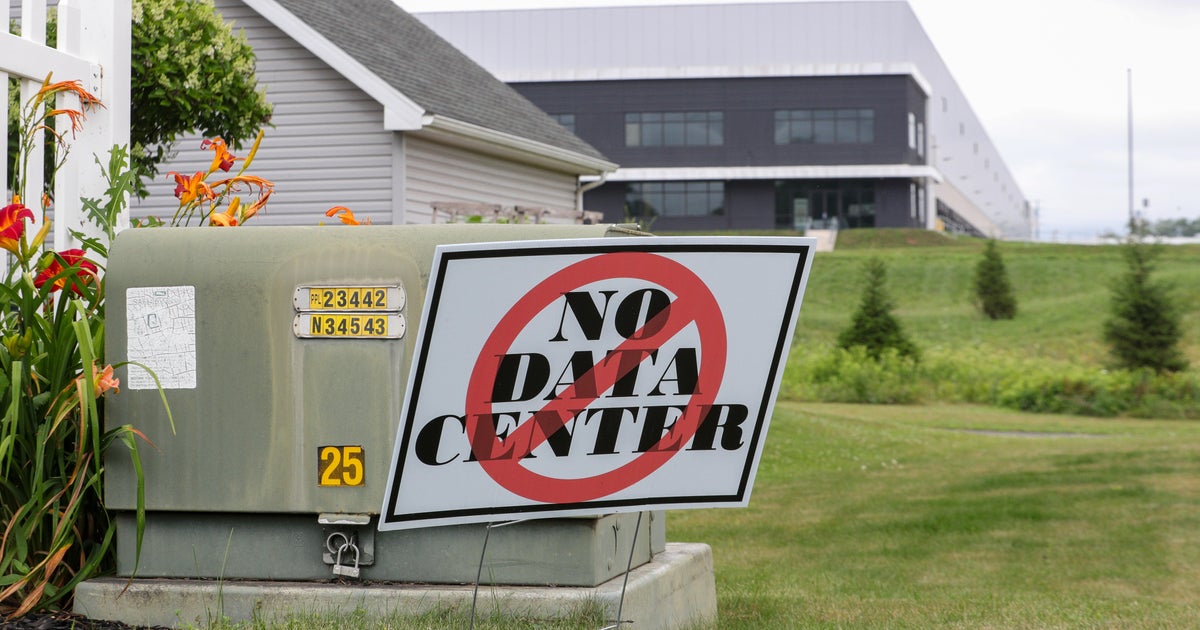
Election victories by Gina Hinojosa in Texas and Keisha Lance Bottoms in Georgia could bring new limits on data center construction, according to market analysts who expect permitting delays and higher costs for some projects.
The results do not, by themselves, impose new restrictions. Both incoming governors campaigned on pausing construction, while analysts say the effect will depend on what their administrations do next.
Texas and Georgia plans remain ahead
Hinojosa defeated Republican incumbent Greg Abbott in the November 3 election. During her campaign, she proposed keeping a pause on data center construction in place until lawmakers consider additional protections. Abbott had separately directed Texas’ environmental agency to halt permits pending an audit, a measure tied to that review rather than Hinojosa’s proposed legislative timeline. The Texas Tribune reported on the differing approaches.
Texas is a major part of the planned U.S. buildout. Technology analyst Dan Ives estimated that the state accounts for 25% to 30% of data center capacity expected to come online by 2030. He told CBS News that the election could slow some of the projects planned to support artificial intelligence.
In Georgia, Bottoms campaigned on pausing new data center construction and reviewing tax incentives. She told CBS Mornings she planned to sign an executive order for a pause, then determine what further administrative steps would be needed. The statement described a future plan, not an order already in effect.
Analysts expect delays, not an end to investment
Franklin Templeton strategist Stephen Dover predicted that election results could slow construction and lead to new regulations and costs. Principal Asset Management strategist Seema Shah said developers could face requirements to invest in electrical grids or lose tax incentives, increasing project costs.
Analysts at Oxford Economics said a more restrictive approach could stretch project timelines, but slower construction would not necessarily harm the broader economy. CBS News reported this summer that 50% of respondents opposed building a data center in their area, compared with 20% who supported one and 30% who were unsure.
The election also coincided with local ballot measures restricting data centers in several states. Counts reported around election day were provisional and varied between updates. CBS News reported that Harwood, North Dakota, was the only community where voters approved a measure allowing a data center.
 Reid Bentley