

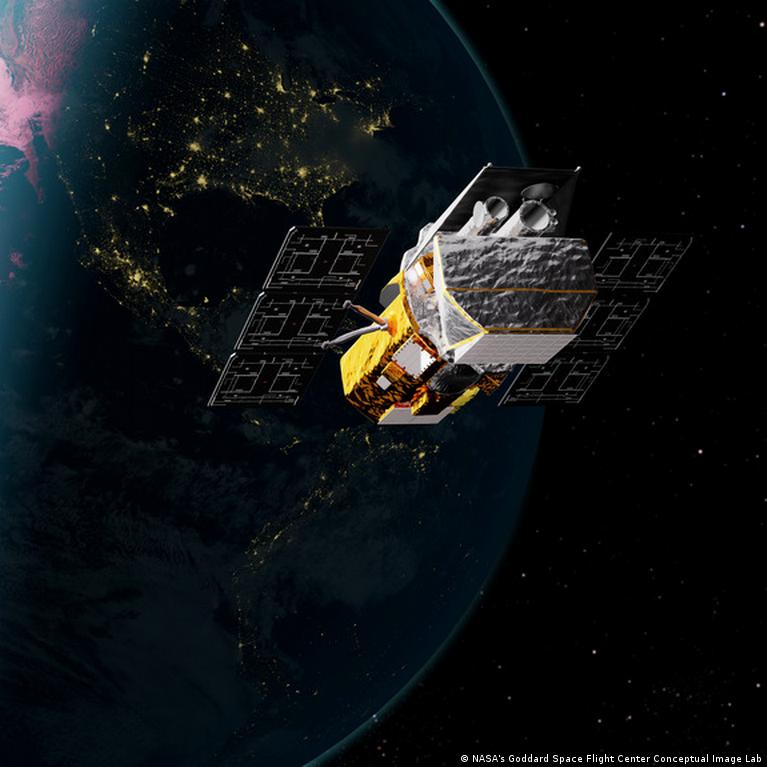
NASA’s Neil Gehrels Swift Observatory re-entered Earth’s atmosphere over North Sumatra, Indonesia, at 7:39 a.m. EST on November 4, ending a nearly 22-year mission. Most of the spacecraft was expected to burn up during re-entry, though NASA said some components could have survived.
The U.S. Space Force confirmed the time and location, NASA said. Swift’s return followed a period of increased atmospheric drag linked to intense solar activity, which accelerated the observatory’s orbital descent. NASA reported the re-entry.
A rescue attempt could not reach Swift
NASA had contracted Katalyst Space to try to raise Swift’s orbit. The company’s robotic servicing vehicle, LINK, encountered problems with attitude control after its July 2026 launch and spun uncontrollably. The mission did not capture or boost Swift, according to NASA’s account of the boost effort. LINK re-entered Earth’s atmosphere on September 25.
Swift’s scientific operations ended in October as its orbit fell too low to sustain the mission. The observatory was launched in 2004 with a primary mission planned to last two years, but continued operating for almost 22. NASA said Swift’s last observation was made on October 20.
Equipped with three telescopes, Swift studied gamma-ray bursts and observed supernovae, black holes, X-ray flares, asteroids and comets. Its work contributed to nearly 7,000 scientific papers, according to the source material.
 Reid Bentley